

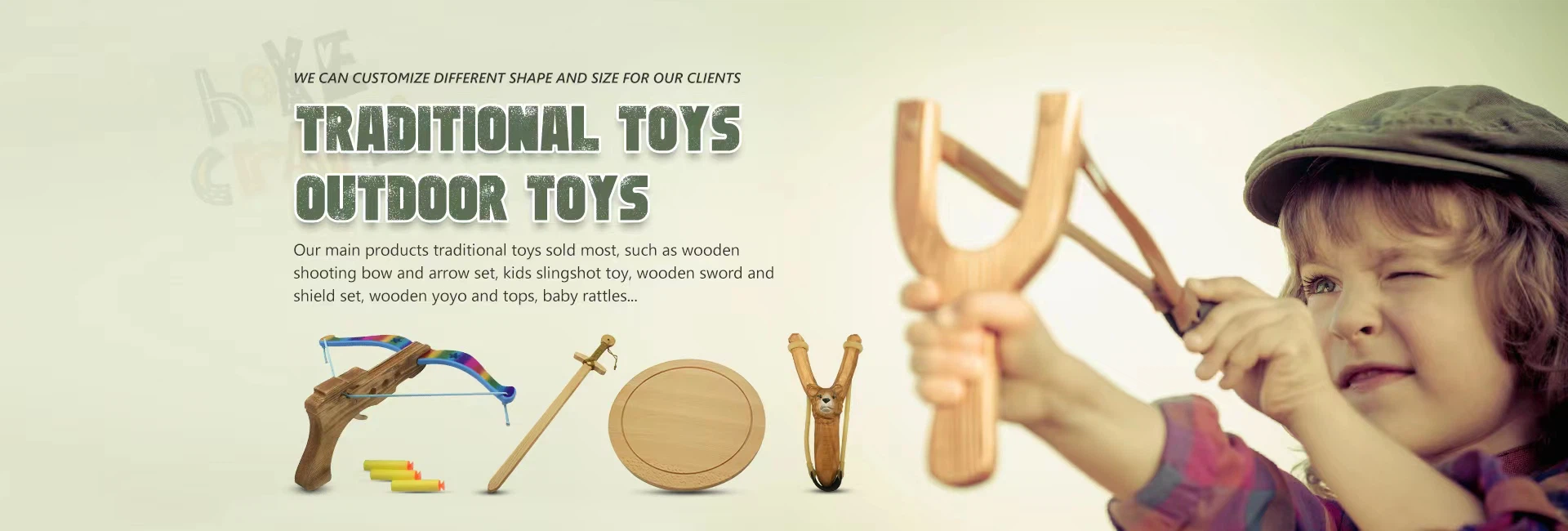


Wooden Puzzles
Your Professional Wooden Puzzles Supplier
Yiwu Hoye Crafts Co., Ltd. started exporting in 2013. We have our brand- Hoye Crafts, strict quality control, and professional customer service. We mainly offer OEM & ODM orders.
Why Choose Us
Strong R&D Capability
We have our R&D department. From one new product per month to 1-3 new products per week, we also assist customers in completing design drawings, which greatly improves customer order efficiency.
Quality Assurance
Most of our products are environmentally friendly and have certificates such as CE, ASTM and CPC. We offer the best after-sales service also, offer free samples for new items. Our QC Assistant will check every order before sending them out.
Wide Product Range
Our main categories are toys, gifts and crafts, sports and entertainment products, beauty supplies, etc. Including wooden puzzles and building blocks, Mathematical toys, outdoor gym equipment, indoor climbing frames, wooden boxes, wooden nutcrackers, beard combs and brushes, and bamboo toothbrushes.
Broad Market
Our main market is North America, Europe, Oceania, Southeast Asia, the Middle East, and South America. Because we have the complete products supply chain system, we can accept low MOQ orders. We look forward to establishing a new cooperative relationship with your company.
-
![Wooden Arabic Puzzle Board Toy]() Wooden Arabic Puzzle Board ToyRead More
Wooden Arabic Puzzle Board ToyRead More【Promote Logical Reasoning and Coordination】This Arabic Alphabet Puzzle Board is designed to
-
![Wooden Nail Board Toy]() Wooden Nail Board ToyRead More
Wooden Nail Board ToyRead MoreGraphical Educational Toys:Having kids in school to learn all types of different 2D shapes Unleash
-
![Colorful Plastic Coins Tokens]() Colorful Plastic Coins TokensRead More
Colorful Plastic Coins TokensRead MoreIntroducing the Round Geometric Board - An Eco-Friendly and Safe Learning Tool. The Round Geometric
-
![12Pcs Sound Tube]() 12Pcs Sound TubeRead More
12Pcs Sound TubeRead MoreDevelop a keen sense of hearing in children, and establish a concept of perceptual organ
-
![Wooden Russian Blocks Puzzle]() Wooden Russian Blocks PuzzleRead More
Wooden Russian Blocks PuzzleRead More1.Wooden Blocks Puzzle are made of natural and healthy basswood with high quality and smooth
-
![Color Matching Counting Cognition Board]() Color Matching Counting Cognition BoardRead More
Color Matching Counting Cognition BoardRead More1. Early childhood education, color recognition, and enhancing color sensitivity.. 2. Color
-
![Wooden Busy Board]() Wooden Busy BoardRead More
Wooden Busy BoardRead More1.The wooden toddler Busy Board is Made with premium wood with Non-toxic Painting,the parts are
-
![Wooden Shape Matching Puzzles]() Wooden Shape Matching PuzzlesRead More
Wooden Shape Matching PuzzlesRead More1. Start building with simple graphics, gradually complicate the content, and carry out
-
![Wooden Alphabet Number Shape Puzzles]() Wooden Alphabet Number Shape PuzzlesRead More
Wooden Alphabet Number Shape PuzzlesRead More1.One Alphabet Puzzle,One Numbers Puzzles,different ways to keep children playing and learning..
-
![Wooden Tangram Puzzle Book]() Wooden Tangram Puzzle BookRead More
Wooden Tangram Puzzle BookRead More1.Educational travel games for kids in car,plane or take out to restaurant,easily played at
-
![Montessori Felt Busy Board]() Montessori Felt Busy BoardRead More
Montessori Felt Busy BoardRead More1.We have different colors and different themes to choose,can mixed.. 2.We can customize the felt
-
![Montessori Fraction Puzzle Board]() Montessori Fraction Puzzle BoardRead More
Montessori Fraction Puzzle BoardRead More1.Help kids to learn math counting fractions,1,1/2,1/3,1/4.. 2.4 circular fraction group:include 10


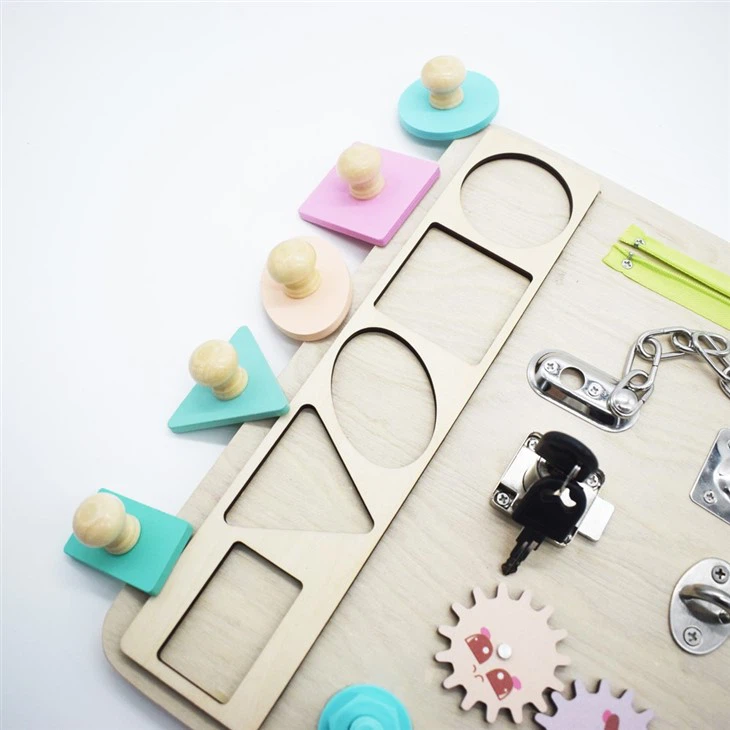
Children's wooden puzzles are a wise choice if you're looking for a durable, robust educational toy that you can gift to the youngest without any guilt. Puzzles are one of the oldest types of toys. Unlike many other options available on the market, they don't cause overstimulation, yet they effectively stimulate a child's brain, hands, fingers, and sense of sight. Assembling puzzles also doesn't limit a child's imagination; on the contrary, it encourages creative thinking and problem-solving.
Advantages of Wooden Puzzles
Puzzles are a Self Correcting Learning Tool
When Children attempt to place a puzzle piece in its place it will only fit if it is placed properly in the right space. The act of manipulating each piece, turning it and testing the fit, is the way children learn to problem solve and develop critical thinking.
Language Skills
Puzzles offer children an opportunity to develop many language skills. When a child asks for a certain piece they will often describe what they are looking for. For example, the round piece, the blue bumpy piece, etc. Puzzles are often used when working with Autistic children who have delayed speech ability as a playful tool to encourage speech.
Math Skills
Puzzles teach children several basic math concepts as well. While working with a puzzle children learn to categorize and organize pieces while doing that they are able to classify and label the pieces as well.
Eye-Hand Coordination
Wooden puzzles build eye-hand coordination. The ability to coordinate what the eye sees, the mind wants to do, and what the hands can accomplish takes a lot of practice. Puzzles offer an enjoyable way to practice this skill while encouraging independence.
Fine Motor Ability
Puzzles offer a fun way to develop fine motor ability. Children need to develop strength in the muscles in their fingers so that they can grasp things and hold onto them. This will later give them the ability to hold a pencil.
Social Skills
Wooden Puzzles offer opportunities to expand social skills as well. When children work cooperatively to complete a puzzle they engage in conversation. They develop a plan to solve the puzzle, they take turns and help each other solve problems as they arise.
Developing Persistence
When a child works on a puzzle until completion the child is developing persistence. Once the puzzle is solved the child can feel a sense of accomplishment which boosts his independence and self esteem.
Adaptable and Abstract Thinking
Children use adaptable thinking and deductive reasoning skills when they find different ways to put the pieces together. They gain the ability to think abstractly when they are able to see negative space, like the space where a puzzle piece may fit, and figure out what type of shape would be needed to fill that space.
Types of Wooden Puzzles
Knobbed puzzles are hands down the simplest kind of puzzle available out there for children. Just like all inset puzzles, the pieces are typically non-connecting and fit on a board that's made from wood. Each puzzle piece has a big knob that makes it easy to hold and manipulate (hence, the name). That's the main reason why this type of inset puzzles is perfect for babies and younger toddlers who are starting to develop their fine motor skills. Knob puzzles typically cover simple images like basic vehicles, fruits, and geometric shapes. They also feature relatively few pieces which are usually in the range of 3-8.
Chunky puzzles don't include any kind of knobs. Instead, they feature bulky pieces that are thicker than the tray to make them easy to be manipulated by little ones. The pieces are typically non-connecting but not always. Those puzzles require young kids to utilize their whole hand (not just the fingers) to pick up and move the pieces. They're great for toddlers to strengthen the muscles of their hands. This kind of inset puzzle also include a few pieces which are usually between 4-12 pieces. Many of the chunky puzzles available on the market are about vehicles and animals, which helps little kids to learn object names and discern more detailed shapes.
Pegged puzzles are quite similar to knobbed puzzles except the pieces have a smaller knob (peg). They're considered the most difficult inset puzzles out of the three. The thin knob helps to further improve the fine motor skills of little ones. The ideal children groups for this puzzle are older toddlers and preschoolers. A pegged puzzle typically includes around 8-26 pieces. In addition to the animals theme, this puzzle usually covers alphabets and numbers which helps children with language and math skills before school.
Frame puzzles are basically the beginner level for jigsaw puzzles. As the name implies, the interlocking pieces go inside a frame and they can be made from wood. The frame helps kids in knowing where to put the puzzle pieces especially the ones at the borders. These puzzles are suitable for preschoolers and kindergartners. Frame puzzles can have anywhere between 9-60 pieces. They cover a variety of topics especially vehicles and animals including more sophisticated images.
Factors to Consider When Selecting Wooden Puzzles
1. Puzzle Type
Despite there being an abundance of puzzle types, they all boil down to two main categories; inset and jigsaw puzzles. Inset puzzles are typically made of wood. They consist of large, bulky pieces that don't interlock in the way that jigsaw puzzles do. In addition, all inset puzzles come with a tray or frame on which the pieces fit. Knob and peg puzzles are the most popular examples in this category, though there are also chunky puzzles which have no knobs. These simple learning toys are particularly useful as the first puzzles for the youngest of children.
Unlike the inset type, jigsaw puzzles feature interlocking pieces and come in a wide variety of sizes and difficulty levels. The primary forms of jigsaws include frame and floor puzzles, in addition to 3D ones. Jigsaw puzzles are typically reserved for children beyond the toddler years because they are generally more difficult than the inset category.
2. Number of Pieces
Envision a 6-year-old completing a 12-piece frame puzzle. They'd have it completed in less than one minute. On the other hand, a 400-piece puzzle is probably beyond their abilities. This illustrates just how relevant the number of pieces in a puzzle is to meeting the skills of the child. The quantity of pieces is one of the most crucial factors when picking the right puzzles for little ones. Younger kids typically need puzzles with fewer pieces which are easier to assemble. As they grow, they can handle greater complexity in the form of more pieces.
3. Topic
Puppies, an ocean scene, a beautiful landscape, cartoon characters, are just a few of the possible themes you might see on a puzzle. While one kid might love a puzzle with a prominent unicorn, another child might hate it. Now, the ideal topic to choose largely depends on the kid's age which will influence their personal interests. The right puzzle image can be a big motivator for children when assembling the pieces. In fact, it can even inspire your child to work on a puzzle that's a bit beyond their normal difficulty level.
4. Size of Pieces
Puzzle pieces come in a wide range of sizes. As a general rule, the younger the child, the bigger the pieces you should seek. Larger, thicker pieces are easier for little hands to manipulate and put together, which is typically the case with foam puzzles. By the way, you might have seen many puzzles that has a warning label for possible choking of kids under three years old. The reason for specifying that age restriction is mainly the small pieces can cause choking in toddlers and babies who typically like putting stuff in their mouths.
5. Image Type
From photos to drawings, cartoons, and more, the image on a puzzle plays a big role in its appeal and difficulty level. For instance, photos that include a lot of foliage can make for very hard puzzles because many of the pieces appear to be identical. However, a jigsaw puzzle featuring a graphic image with brightly colored animals is much easier to put together. The amount of contrast in the colors and image are key areas to consider. The more contrast, the easier the puzzle will be. Specifically, pictures with lots of different, vivid colors can make the puzzle more accessible for young children. This way, the child can strategize by finding all of the pieces of a similar color to put them together.
6. Puzzle Shape
Most jigsaw puzzles are rectangular shaped and feature classic interlocking pieces. However, some of them may come in unique shapes related to the topic of the puzzle or consist of irregularly shaped pieces. Unless the pieces will go inside a frame (i.e. frame puzzle), the traditional puzzle shape and consistent pieces tend to be best for little ones who are new to jigsaws. The square or rectangle outline provides straight edges and predictability whereas irregular shapes aren't as easy to anticipate.
Tips for Cleaning and Maintaining Your Wooden Puzzles
Wooden puzzle toys are safer and non-toxic for children to enjoy playing. Playing with these toys would automatically ignite the child's imagination and creativity. Kids love playing with wooden puzzles. Maintaining and cleaning the toys regularly is important for ensuring they last for years. These toys need to be cleaned and sanitized often. The main reason is that these toys would end up on the floor and in your baby's mouth. It is also important to clean these toys and sanitize them when the baby recovers from illness.


Remove Dust
One of the best ways to clean wooden puzzles is by removing dust from the surface. You can start using the paintbrush to easily remove the dust. Dust adheres to the surface of wooden puzzles, so they must be removed completely. Use the paintbrush to wipe the surface of the toys. It is convenient to use the blower wind to quickly reduce the dust on the surface. It is a time-saving process for maintaining wooden puzzles.
Use Non-Toxic Cleaner
Normally, wood has natural antibacterial properties, so there is no need to bleach or even use harsh chemicals. Using the appropriate non-toxic cleaner is convenient to ensure toys are cleaned completely. Use a non-toxic cleaner such as white Vinegar and water solution to maintain the puzzle. These are natural disinfectants and suitable for easy cleaning on wooden puzzle toys.
Use Vinegar
You can also use a cleaner to clean stains in the wooden puzzle. One of the best ways is to easily mix the water with Vinegar in a 2:1 proportion. Vinegar is a great non-toxic disinfectant that can be easily combined with water in a spray bottle. You can easily spray the substances directly on the puzzle surface. It is convenient to leave for a few hours to remove harmful bacteria easily. It is the most effective way to maintain the puzzle for the children. It would be best if you dried the toys with indirect sunlight.
Commercial Cleaners
There are also commercial cleaners available for cleaning the wooden materials. It would be best to double-check whether these spray bottles contain harmful chemicals. Normally, harmful chemicals could remove the color of wood toys. So it is best to ensure there is no harmful chemical in it. Cleaning wooden puzzles is simple, and you can use Vinegar without harsh chemicals.
Use of Olive Oil
When the stains are non-removable, you can try light sanding using fine sandpaper. It is quite as simple a process as these wooden toys require moisture replenishment in regular condition. You can rub this dirt and remove them using olive oil. Use a soft cloth so the stains will be easily removed. Treating them with all-natural beeswax is also a convenient option that nourishes them. These also protect the wooden surface.
Tips for Maintaining the Puzzle
Maintaining the wooden puzzle toys is easier by following the above steps. There are also certain things that you must avoid while cleaning and maintaining the toys.
- Do not immerse or soak the wooden toys in the dishwasher.
- Do not use wood polish on wooden toys, as they are toxic.
- Do not use any special chemicals to stay clean on wooden toys.
Avoid using disinfecting sprays as a child could still be putting toys in their mouths. You can simply wipe down surfaces using the non-toxic cleaner.
Certificate
Most of our products are environmentally friendly and have certificates such as CE, ASTM and CPC.

Our Factory
We have been in Yunhe for 10 years, and our production output ranks among the top ten in Yunhe. After adding the International Business Department, our export volume data ranks in the top ten in Yiwu, China.

The Ultimate Guide to Understanding Wooden Puzzles
Q: Are wooden puzzles better than cardboard?
Q: Are wooden puzzles environmentally friendly?
Q: What age is good for wooden puzzles?
Q: Why choose wooden puzzles for children?
Q: What are the benefits of wooden puzzles for children?
Q: How to choose puzzles for kids of different ages?
Puzzles for Babies (0-1 Years Old)
Babies can start playing with very simple puzzles at around 6 months of age or when they can sit up on their own.
The best puzzles for the youngest of children are inset style puzzles with very few pieces. Ideally, a puzzle for a baby is large, chunky, and features about 3 pieces. Knob puzzles are the most appropriate options out there for kids at this age. Popular topics for baby puzzles include animals, geometric shapes, and transportation. Babies love high contrast images as their eyesight continues to develop. Black and white stripes, or bright, primary colors are great. Wood are the best choices in material for the youngest children because just about anything babies pick up goes straight into their mouth. For this reason, choose puzzle pieces large enough that they won't put your little one at risk of choking. Also, look out for puzzles with paper pictures or stickers glued onto the pieces, as these can be a choking hazard if removed by the baby.
Puzzles for Toddlers (1-3 Years Old)
Slowly, over time, babies can graduate from chunky, knob inset puzzles to jigsaw puzzles. Around the age of 2, kids who have some experience with puzzles can begin working with 5-16 piece puzzles featuring large pieces. The image should be simple, but bright and clear. High contrast is also preferred. Depending on your child's development, try to choose a puzzle with larger pieces to minimize the chance of choking due to small parts.
Puzzles for Preschoolers (3-5 Years Old)
By the age of 3, children can manage even more of a challenge including a 24-piece floor puzzle. Older preschoolers (~ 4 years old) enjoy puzzles with up to about 48 pieces that are of moderate size. Interesting piece shapes are also fun for kids in this group. At this stage, high-contrast images with lots of bright colors and clearly outlined figures are still ideal. Both floor and frame jigsaw puzzles are great for preschoolers. Kids at this age really seem to enjoy rectangular floor puzzles and working on the ground. The pieces are also large and easy to manipulate. The size of the puzzle is very impressive for children, giving them a true feeling of accomplishment once they've finished it.
Q: How do I care for my wooden puzzles?
Q: How to store wooden puzzles over time:
Q: Are wooden puzzles affordable?
Q: What are the different types of wooden puzzles?
Q: What is the best wood for puzzles?
Q: Will wooden puzzles last a long time?
Q: How are wooden puzzles manufactured?
Printing: Once the design is finalized, the image is printed onto paper or cardstock. This printed image will serve as the guide for cutting the wooden puzzle pieces.
Mounting: The printed image is then mounted onto a thin sheet of wood, typically made from plywood or MDF (medium-density fiberboard). The wood is then cut into individual puzzle pieces using a laser cutting machine or a saw.
Sanding: After the pieces are cut, they are sanded to ensure that they have smooth edges and are free of any rough spots or splinters.
Sorting: The pieces are then sorted and placed into bags or boxes, according to their shape and size. This is typically done by hand.
Packaging: Finally, the puzzle pieces are packaged, typically in a box made from the same type of wood used to make the puzzle pieces. The box is often adorned with the same image as the puzzle, and may include a picture of the completed puzzle as a reference for the puzzler.
Q: Can wooden puzzles help with cognitive development?
Q: Are there any educational benefits to playing with wooden puzzles?
Q: How do puzzles help your brain?
Q: Can puzzles help with anxiety?
Q: Do puzzles help with critical thinking?
Q: Do puzzles help with memory?
Q: How do I organize my toddler wood puzzles?
Yiwu Hoye Crafts Co., Ltd. is one of the most professional wooden puzzles manufacturers and suppliers in China, specialized in providing high quality customized service. Be free to wholesale wooden puzzles for sale here and get pricelist from our factory. For price consultation, contact us.
Cartoon Wooden Animal Puzzles, Wooden Standing Puzzles, Montessori Fraction Puzzle Board